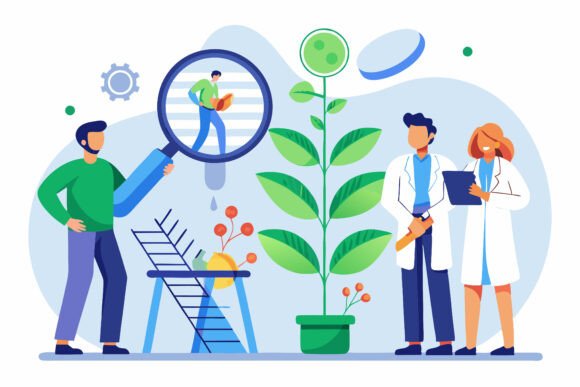
Genetic Engineering Concept: A Simple Guide
Imagine being able to tweak the instruction manual of a living organism—adding a helpful trait, removing a harmful one, or even fixing a tiny error that causes disease. That’s the core of the genetic engineering concept. In plain terms, it’s the direct manipulation of an organism’s DNA to change its characteristics. Unlike traditional breeding, which mixes genes slowly over generations, genetic engineering lets scientists make precise changes in a single step. This idea has moved from science fiction to everyday reality, influencing medicine, farming, and even the creative projects you might work on.
What Exactly Is the Genetic Engineering Concept?
At its heart, the genetic engineering concept involves isolating a gene, copying it, or altering specific sequences and then inserting them into another organism’s genome. Think of DNA as a long string of code that tells cells how to build proteins and carry out functions. Using tools like CRISPR (often compared to molecular scissors) researchers can cut, delete, or replace targeted segments. The result might be bacteria that produce human insulin, crops that resist pests without heavy pesticide use, or laboratory mice that help scientists study human disorders. This concept isn’t just about lab coats and test tubes; it’s a framework for understanding how life’s blueprint works and how we can responsibly rewrite parts of it.
Why People Find the Genetic Engineering Concept So Fascinating
The appeal lies in its mix of precision, possibility, and controversy. On one hand, it promises solutions to some of humanity’s toughest challenges: feeding a growing population with nutrient-enriched crops, curing inherited illnesses, or even reviving endangered species. On the other hand, it raises deep ethical questions about playing with nature. That tension makes the genetic engineering concept a magnet for curious minds, educators, content creators, and entrepreneurs who want to explain or visualize breakthroughs without drowning in technical jargon. Its value isn’t only academic; it sparks conversations that blend science with philosophy, art, and policy.
Real-World Problems This Concept Helps Address
Many people first encounter the genetic engineering concept when looking for ways to tackle concrete issues. Here are a few needs it supports:
- Healthcare: Developing targeted therapies for cancer, producing synthetic insulin, and correcting mutations that cause conditions like cystic fibrosis.
- Agriculture: Creating drought-tolerant wheat, vitamin-enriched golden rice, and apples that don’t brown, which can reduce food waste and improve nutrition.
- Environmental cleanup: Engineering bacteria that break down oil spills or plastic pollutants.
- Research: Building better disease models so scientists can test new drugs safely.
Even if you’re not a scientist, understanding these applications can help you make informed decisions as a consumer, a voter, or a communicator who shares these concepts with others.
Creative and Professional Applications of the Genetic Engineering Concept
Beyond the lab, this idea surfaces in many fields. Whether you’re designing an infographic, building a website, or preparing a lecture, you might need to translate complex science into clear visuals. Here’s where the genetic engineering concept becomes a storytelling tool.
In Education and Research
Professors, students, and science communicators often need diagrams of DNA splicing, vector maps, or cell modification steps. A well-structured illustration can turn a confusing slide into a memorable lesson. Instead of drawing everything from scratch, many turn to editable vector graphics that let them highlight specific elements, add labels, or change colors to match a school’s branding. That’s where professional illustration sets save hours of work while keeping everything scientifically accurate.
In Marketing and Digital Content
Biotech startups, health blogs, and even eco-friendly brands use the genetic engineering concept to explain their products or missions. A clean, modern illustration on a landing page can build trust and quickly communicate what a company does. Likewise, a blogger writing about GMO safety might embed a simple graphic showing gene insertion steps, making the post more shareable and understandable. The right visuals help turn abstract ideas into something concrete, boosting engagement without oversimplifying the science.
In Design and Illustration
For graphic designers, illustrators, and app developers, recognizable symbols like DNA helices, gene scissors, and chromosome icons are in high demand. These elements appear in everything from tech company logos to health app interfaces. Consistency, scalability, and easy editing are crucial. Many professionals look for resource kits that deliver a cohesive visual style, ready to be dropped into projects. A thoughtfully crafted genetic engineering concept illustration set can serve as a versatile foundation for creative work across print and digital media.
How to Get Started with Visualizing the Genetic Engineering Concept
If you’re working on a presentation, a social media campaign, or a product demo that involves genetics, you’ll need images that are both professional-looking and adaptable. Start by listing the key processes or symbols you need to represent: maybe a plasmid, a restriction enzyme, or a gene being inserted into a cell. Then consider the end use. An infographic might need detailed, labeled components, while a mobile app icon needs a simpler silhouette. Once you know what you need, sourcing the right files becomes the next step. This is where a dedicated AI EPS collection focused on the genetic engineering concept can save you enormous time. You get organized, layered files that you can customize in minutes rather than hours.
Things to Keep in Mind Before Using Genetic Engineering Imagery
Representing this topic visually comes with a few responsibilities. First, accuracy matters—misrepresenting a scientific process can confuse audiences or spread misinformation. Even if you’re designing an abstract symbol, it’s worthwhile to check basic biological references so your imagery aligns with reality. Second, think about your audience. A technical diagram for a research journal needs much more detail than an icon for a consumer health app. Finally, be mindful of the emotional weight genetic engineering can carry. Using sterile, futuristic imagery might feel cold, while a warmer, human-centric approach might better suit a project about gene therapy. Choosing illustrations that can be easily edited—color, line weight, and complexity—gives you the flexibility to strike the right tone for any medium.
Where to Find High-Quality Genetic Engineering Concept Illustrations
If you’re looking for a ready-to-use, beautifully crafted resource, our special Hello Welcome to our Special AI EPS Collections sets a new standard. This genetic engineering concept illustration pack was created with real-world users in mind. It includes professional-grade AI, EPS, and JPG files that work seamlessly on both Mac and Windows platforms. The neat file and layer structure means you can find exactly the element you need without digging through clutter. Every icon and scene is drawn with perfection in details and consistency, so your final project looks polished, whether it’s for print, web, symbols, apps, or infographics.
Editing is as straightforward as it gets—open the file in your favorite vector software, change colors, tweak shapes, or combine elements to match your exact vision. You don’t need to be an expert designer to get great results. The illustrations are suitable for a huge range of applications: blog headers, classroom handouts, pitch decks, UI elements, and much more. Instead of spending hours trying to draw a double helix that looks clean and modern, you can start with a proven, professionally designed asset and adapt it in seconds. So what are you waiting for? Explore the collection and start using these awesome genetic engineering concept illustrations today—your projects will thank you.